The landscape of employment is rapidly shifting as AI cited in close to 50,000 job cuts this year as tech giants accelerate automation, signaling a profound re-evaluation of human roles in the workforce. This alarming trend reflects a growing corporate strategy to integrate advanced automation for efficiency, fundamentally reshaping diverse industries and posing critical challenges for both businesses and workers.
Key Implications:
- Immediate Workforce Impact: AI is already responsible for nearly 50,000 U.S. job eliminations this year, with a sharp acceleration in recent months, demonstrating its direct role in corporate staffing decisions across numerous sectors.
- Strategic Business Transformation: Corporations are aggressively adopting AI to achieve substantial operational efficiencies and cost savings, integrating automation into core processes, reducing headcount, and fundamentally influencing internal policies and hiring strategies.
- Future Employment Landscape: Financial projections anticipate continued, significant AI-driven headcount reductions in the coming years, as increasingly sophisticated AI agents automate complex tasks previously performed by professionals like analysts and software engineers, necessitating widespread adaptation for workers.

Rapid AI Automation Leads to 48,414 U.S. Job Cuts
Artificial intelligence (AI) has directly contributed to a significant workforce shift in the United States this year. A staggering 48,414 U.S. job eliminations have been directly linked to AI. This trend aligns precisely with the alarming observation that AI cited in close to 50,000 job cuts this year as tech giants accelerate automation. This demonstrates AI’s profound impact on American employment across numerous sectors.
The Escalating Pace of AI’s Impact on Employment
The influence of AI on employment has demonstrably accelerated in recent months. This dramatic increase has captured the acute attention of policymakers and economic observers. The rapid scale of these changes signals a fundamental reshaping of various industry employment landscapes. Businesses are increasingly integrating automation solutions.
October’s Sharp Rise in AI-Related Job Announcements
Analysis of recent data specifically reveals a concentrated surge in AI-related job cut announcements. In October alone, 31,039 AI-related job cuts were announced, marking a significant monthly increase. This singular figure highlights a dramatic acceleration of AI’s role in corporate operational and staffing decisions. This concentrated activity underscores a pivotal moment for the labor market.
Moreover, AI was referenced as a contributing factor in approximately 20% (one-fifth) of total U.S. layoffs last month. This substantial percentage clearly underscores AI’s growing impact on workforce adjustments nationwide. The rapid adoption of new AI technologies by corporations across the nation drives these widespread changes, aiming for increased efficiency.
Broader Economic and Political Scrutiny
The emerging pattern of AI-driven job displacement has attracted significant economic and political recognition. Federal Reserve Chair Jerome Powell has publicly acknowledged this flurry of AI-specific announcements. This official recognition elevates the issue’s prominence within national economic discussions, highlighting its potential long-term implications. Policymakers are now monitoring this trend closely.
The trend affects corporations across diverse industries and geographic regions, impacting both tech giants and traditional businesses. The increasing integration of AI for efficiency and automation prompts businesses to re-evaluate their staffing needs. Such profound shifts necessitate a renewed focus on adapting to new skill requirements and career paths, as experts explore the future of work (Wharton AI Expert Ethan Mollick).
Technological advancements are enabling companies to streamline operations and reduce manual efforts in various domains. For instance, new AI tools help reduce costs dramatically in creative and content-generation fields (OpenAI and Google cut storytelling costs by 85%). Furthermore, AI’s role extends to hiring processes, indicating a changing dynamic in talent acquisition (50% of HR execs using AI to hire top talent). These comprehensive developments reflect a widespread corporate strategy to enhance productivity and competitiveness through advanced automation.

Companies Cut 4,000 Jobs, Aim for $4.5 Billion Savings with AI
Major global corporations are publicly detailing specific workforce reductions and strategic hiring changes. These shifts directly attribute to the implementation of AI and automation, aiming for substantial cost savings and improved efficiency. This trend reinforces the critical role of AI cited in close to 50,000 job cuts this year as tech giants accelerate automation.
Quantifiable Workforce Impacts Across Diverse Sectors
Several industries are experiencing significant workforce adjustments driven by AI adoption. Deutsche Lufthansa AG, for instance, plans to eliminate 4,000 administrative positions by the end of the decade. This decision directly cites the “increased use of artificial intelligence” as a core reason.
The Dutch lender ING Group NV announced that nearly 1,000 positions are at risk within its organization. This reduction stems from a combination of digitalization, AI integration, and evolving customer needs. Similarly, C.H. Robinson Worldwide Inc., a prominent logistics provider, reported a notable 10.8% average headcount reduction year-over-year in its most recent quarter. The company explicitly linked this workforce change to “growing automation” across its operations.
AI as a Driver for Operational Efficiency and Cost Savings
Companies are actively leveraging AI and automation to achieve substantial operational efficiencies and financial savings. IBM stands as a prime example, anticipating achieving a remarkable $4.5 billion in savings from AI and automation by the end of this year. The technology giant successfully deployed AI agents to replace the work previously performed by “hundreds of HR staff.”
ServiceNow Inc. CEO Bill McDermott further clarified the economic rationale behind this shift towards AI agents. He emphasized that these agents “don’t need any lunch and they don’t have any healthcare benefits,” directly contrasting them with human employees performing repetitive roles. This perspective highlights the significant cost advantages derived from automating high-volume tasks. Insights into the future of work with AI are discussed by Wharton AI experts.
Influencing Internal Policies and Strategic Hiring
The widespread adoption of AI tools is profoundly influencing internal corporate policies and strategic hiring frameworks. Many firms are now prioritizing AI solutions for automating repetitive, high-volume work. This re-evaluation of staffing needs is a critical component of modern operational strategy.
Some organizations, such as Shopify, have implemented policies requiring teams to rigorously justify requests for additional human headcount over potential AI solutions. This reflects a fundamental shift in how companies approach resource allocation and growth. The overarching trend points towards sustained efforts where AI cited in close to 50,000 job cuts this year as tech giants accelerate automation becomes a key strategic imperative. Further understanding of this efficiency can be found in discussions around how AI reduces content creation costs.
The strategic embrace of AI extends to human resources, with a significant percentage of HR executives already utilizing AI for talent acquisition and management. This move enhances efficiency in hiring processes and refines candidate selection. For more details on this, one can explore how HR executives employ AI in recruiting.

AI’s Future Impact: Goldman Sachs Projects 11% Headcount Reduction
The role of artificial intelligence (AI) in recent workforce reductions is subject to extensive debate. Companies have sometimes cited AI for layoffs, a practice analysts term “AI-washing.” This designation suggests reasons beyond direct technological displacement may be at play. Nevertheless, AI is cited in close to 50,000 job cuts this year as tech giants accelerate automation.
Leading financial institutions project a substantial increase in AI-driven job displacement in the coming years. This trend is driven by the technology’s evolving capabilities. Amazon CEO Andy Jassy, however, attributed 14,000 job cuts to “bloated bureaucracy,” not immediate AI-driven displacement. This illustrates the complex nature of layoff rationales.
The Nuance of AI-Driven Workforce Adjustments
The concept of “AI-washing” frames a critical aspect of contemporary layoff discussions. Companies may attribute job cuts to AI, even when the primary drivers are economic downturns, organizational restructuring, or other operational inefficiencies. This narrative can simplify complex corporate decisions.
Distinguishing genuine AI-driven displacement from broader business challenges is essential for an accurate economic assessment. For instance, the previously mentioned Amazon layoffs highlight non-AI factors impacting large organizations. Understanding these multiple contributing elements provides a clearer picture of current employment shifts.
Financial Projections for AI’s Impact on Employment
Major investment banks now provide concrete future-oriented projections on AI’s impact on employment. Goldman Sachs projects that AI will lead its clients to cut headcount by 4% in the next year. This initial figure highlights immediate expected shifts within various sectors.
Goldman Sachs further projects this headcount reduction will increase to 11% for clients in the next three years due to AI. This escalating projection indicates a sustained trend of automation integration. The firm itself expects additional internal job cuts this year, aiming to “fully benefit from the promise of AI.” Such strategies demonstrate a commitment to leveraging AI for operational efficiency, even at the cost of human roles.
The anticipated scale of these reductions suggests a significant restructuring of the global workforce. Businesses are seeking competitive advantages through automation, impacting traditional employment models. Fifty percent of HR executives are now using AI to hire top talent, reflecting a broader industry adaptation to advanced technological tools that influence hiring and redundancy decisions.
Advancements in AI Agent Capabilities and Professional Roles
The capabilities of artificial intelligence have advanced considerably beyond basic functionalities. AI has progressed from rudimentary chatbots to sophisticated “agents designed to field more complex tasks.” These advanced agents demonstrate significant expanded automation potential.
These AI agents can now perform intricate operations, including conducting comprehensive research for extended periods or writing complex software code for hours. This growing capacity positions them to automate tasks traditionally held by human professionals. Such roles include those of research analysts, junior bankers, consultants, and software engineers.
The increasing sophistication of AI directly correlates with its potential for broader job displacement across high-skill sectors. As these AI agents become more autonomous and capable, the demand for human intervention in routine analytical and creative tasks may diminish. Wharton AI experts offer future job tips, underscoring the necessity for workers to adapt to these evolving technological landscapes.
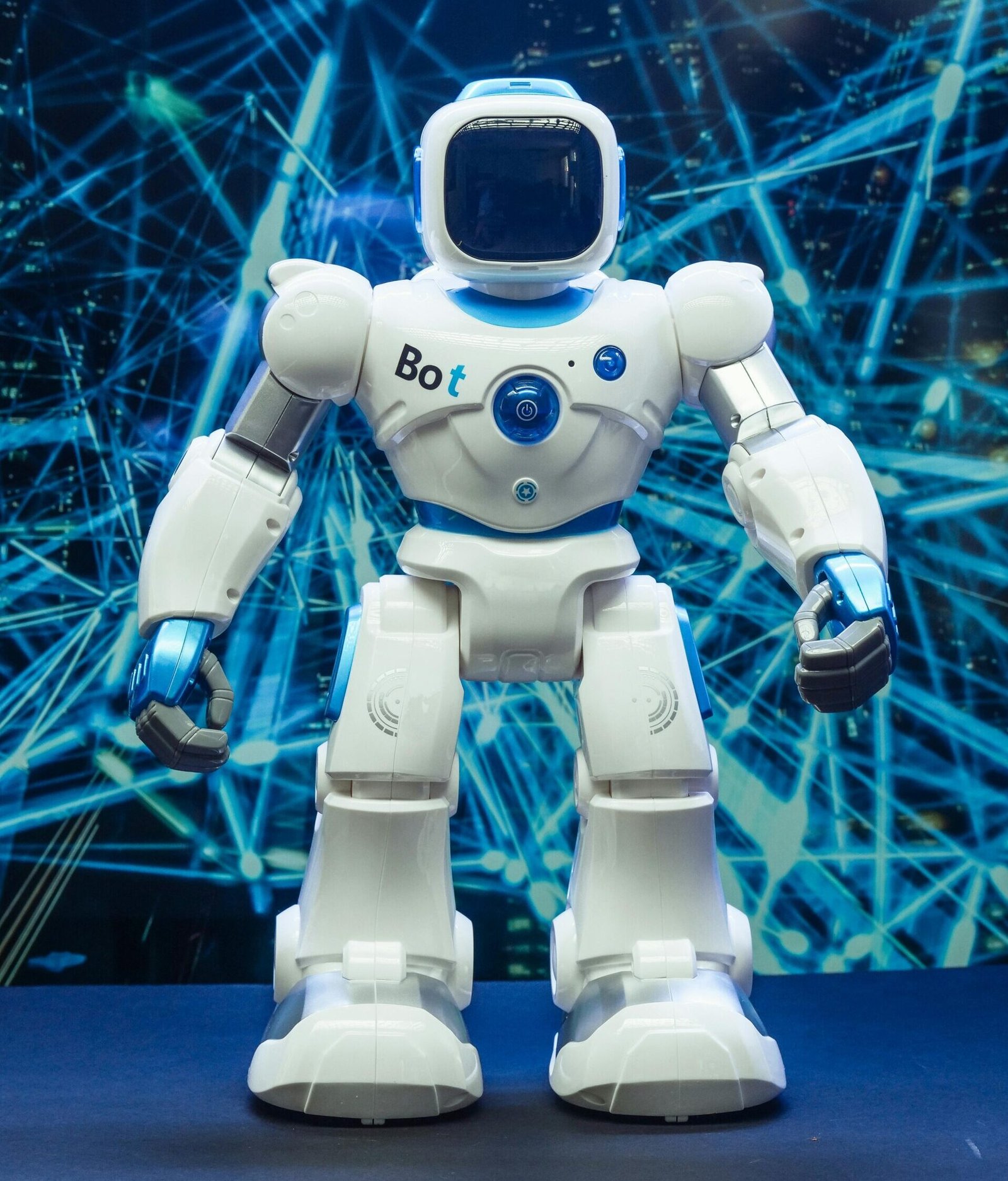
Featured image generated using Flux AI
Los Angeles Times: “AI cited in close to 50,000 job cuts this year as tech giants accelerate automation”